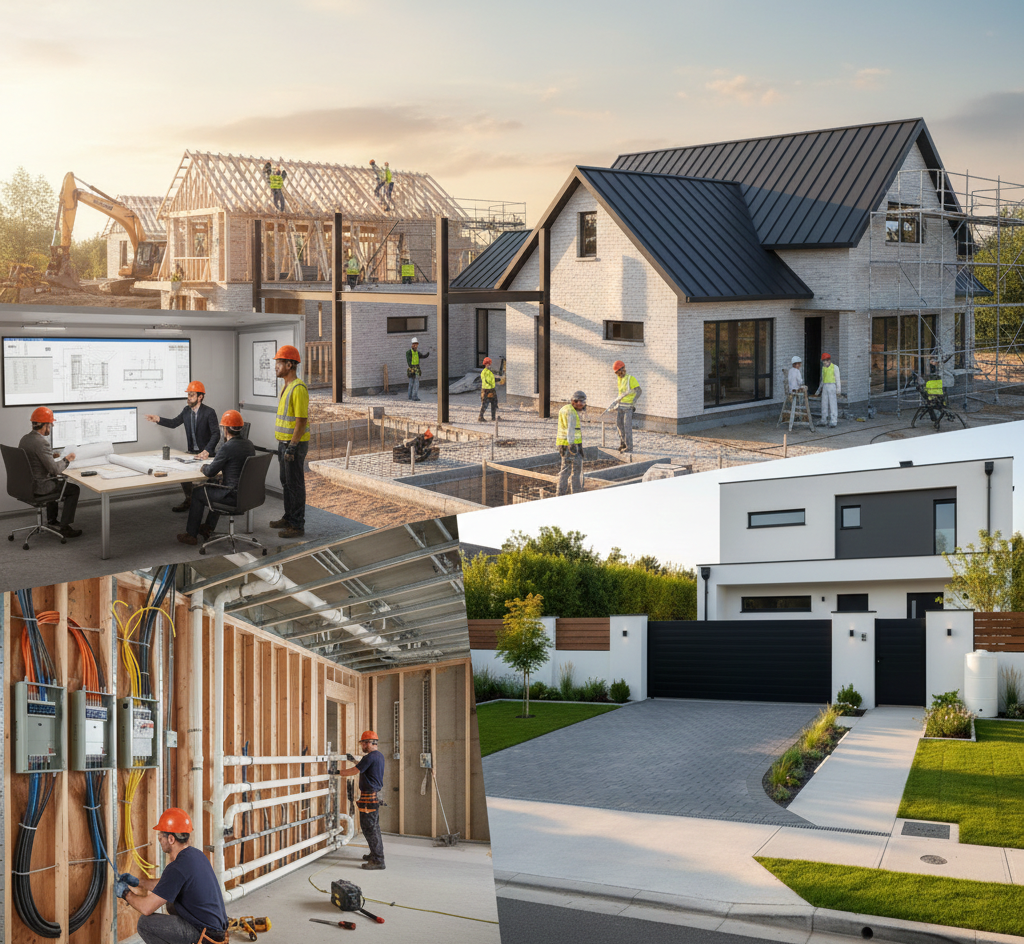
Constructing a residential building is one of the most important investments a person can make in their lifetime. Whether you are building a small family home or a multi-story residential property, proper planning, professional design, and systematic execution are essential to ensure safety, durability, and long-term value. This guide explains the complete process of residential building construction in a clear and practical way.
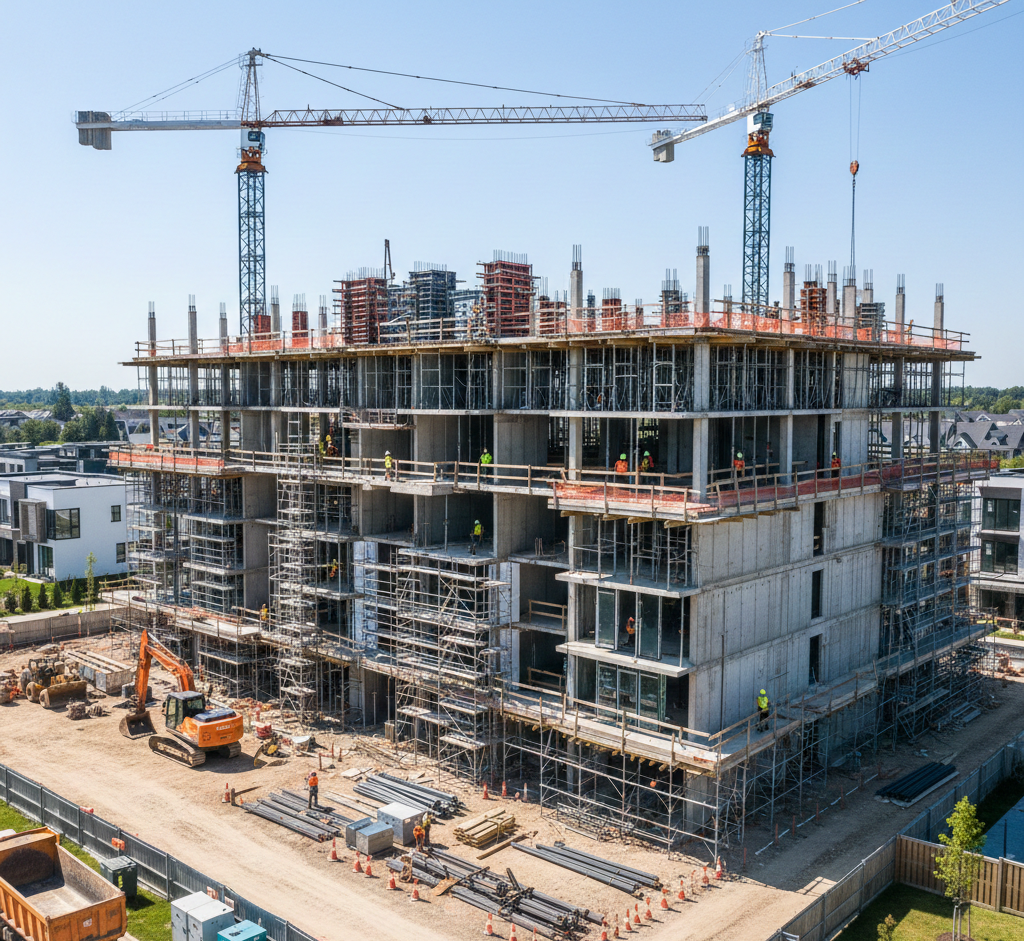
1. Planning and Budgeting
The construction process begins with planning. This stage defines the success of the entire project. First, determine your family needs, including the number of bedrooms, bathrooms, living areas, parking space, and future expansion possibilities. At the same time, set a realistic budget that includes land cost, design fees, construction materials, labor charges, government approvals, and utility connections. A well-prepared budget prevents delays and financial stress during construction
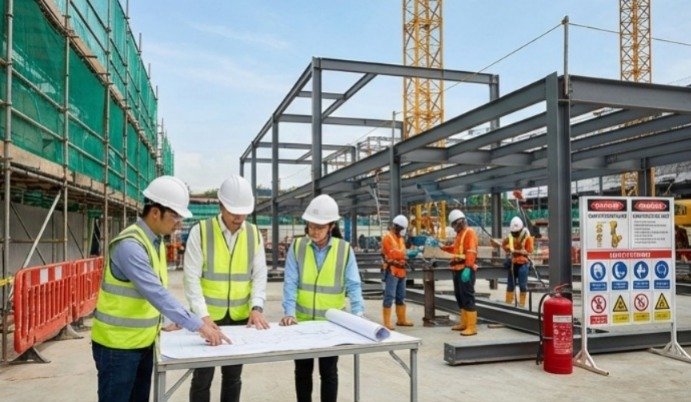
2. Design and Drawings
Professional design is the backbone of safe construction. An architect prepares the architectural drawings, including floor plans, elevations, and layout designs. A structural engineer designs the foundation, columns, beams, and slabs to ensure the building’s strength and safety. Electrical and plumbing layouts are also prepared to avoid future modifications and costly repairs. Proper drawings ensure smooth construction and legal approval.
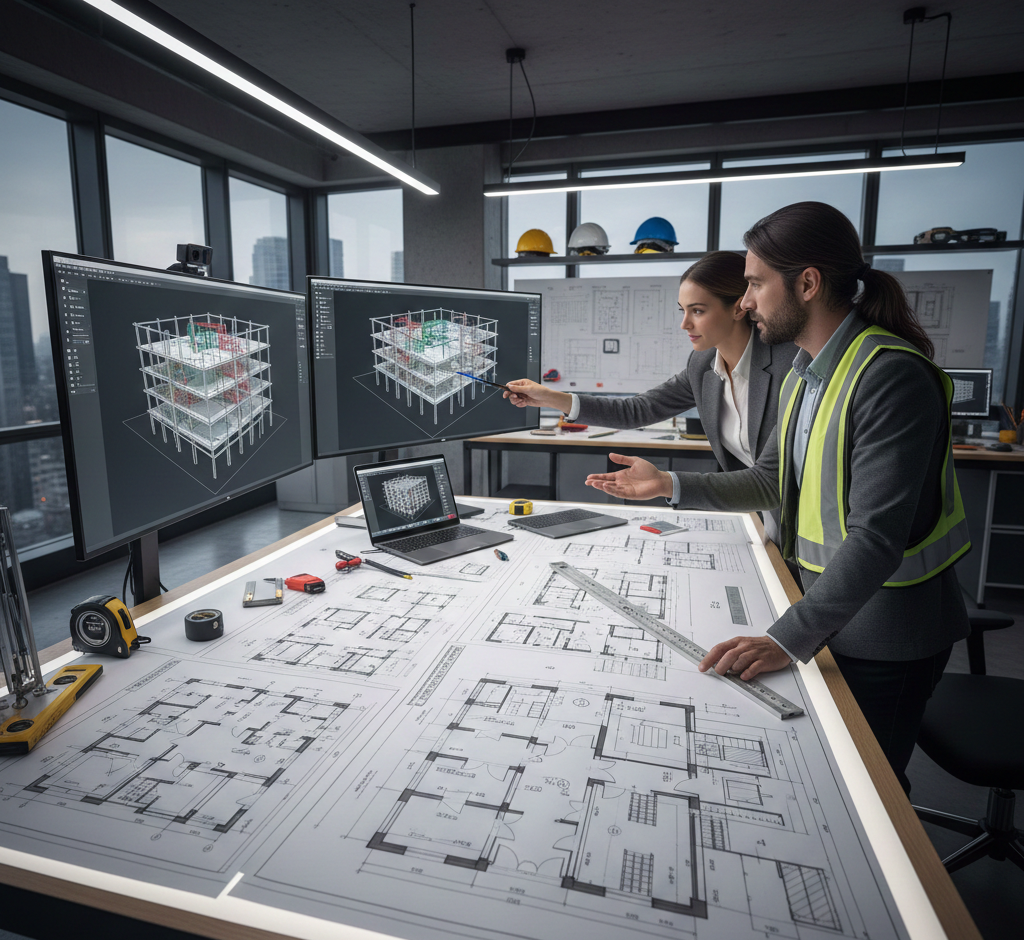
3. Legal Approvals and Permissions
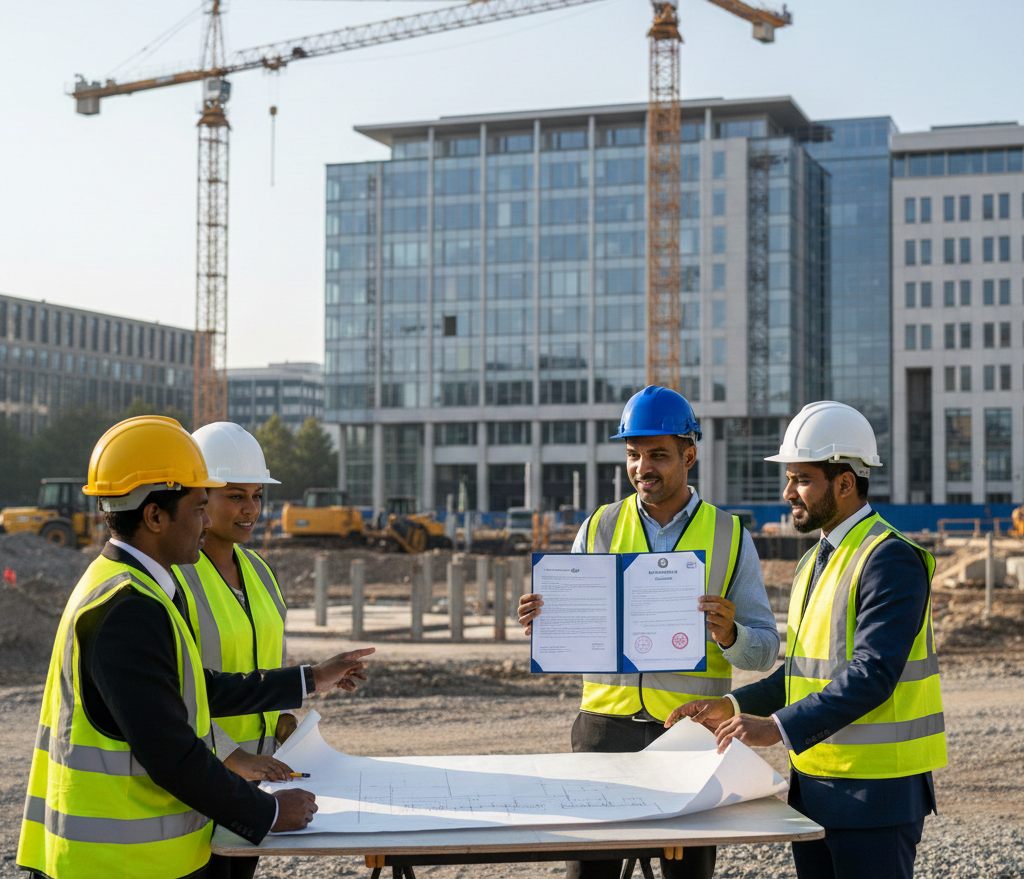
Before construction starts, approvals must be obtained from local authorities, such as the municipality, development authority, and utility departments. These approvals ensure the building follows zoning laws, safety standards, and environmental regulations. Skipping this step can result in legal penalties, demolition orders, or project suspension.
4. Site Preparation
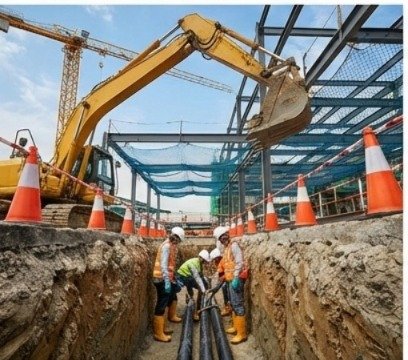
Site preparation includes land clearing, leveling, soil testing, and layout marking. Soil testing is crucial because it determines the type of foundation required for the building. Layout marking (also called setting out) ensures that the building is constructed according to the approved drawings and correct measurements.
5. Foundation Construction
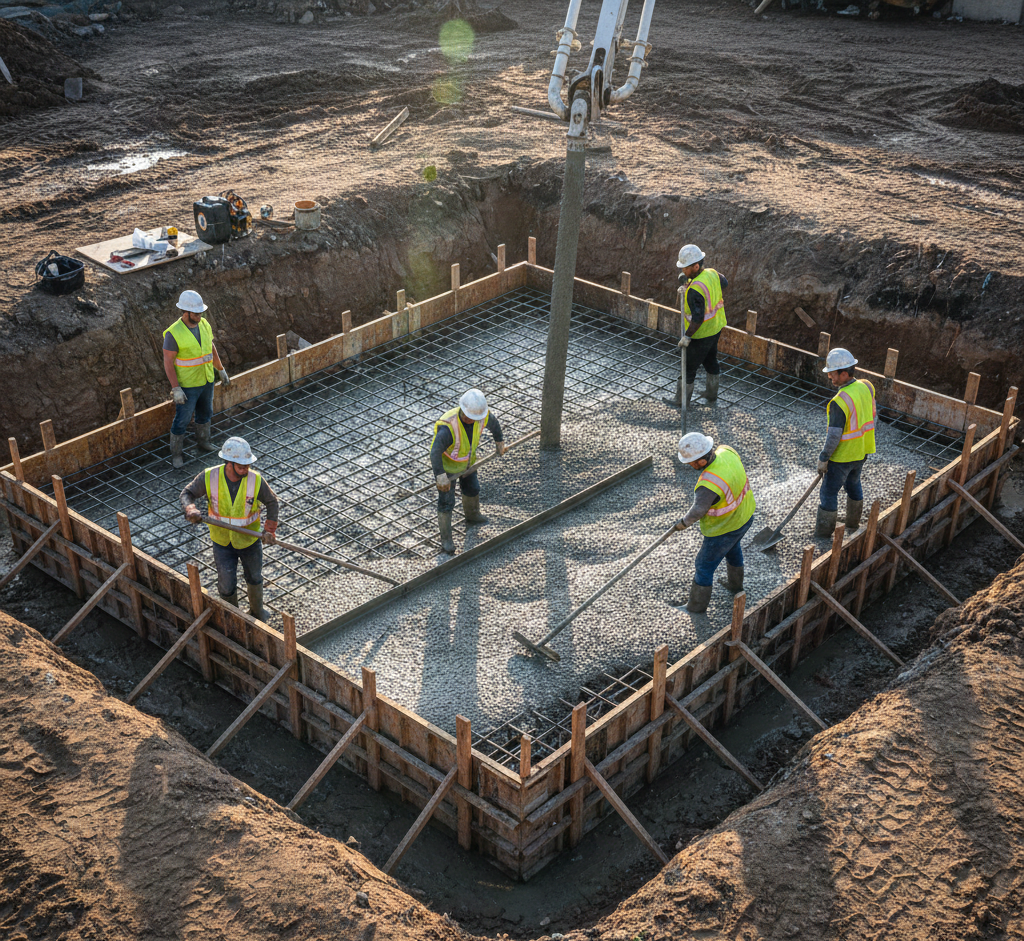
The foundation is the most critical part of any residential building. It begins with excavation, followed by PCC (Plain Cement Concrete), footing construction, foundation beams, and column work up to plinth level. A strong foundation ensures the building can safely carry structural loads and resist settlement and cracks in the future.
6. Structural Framework
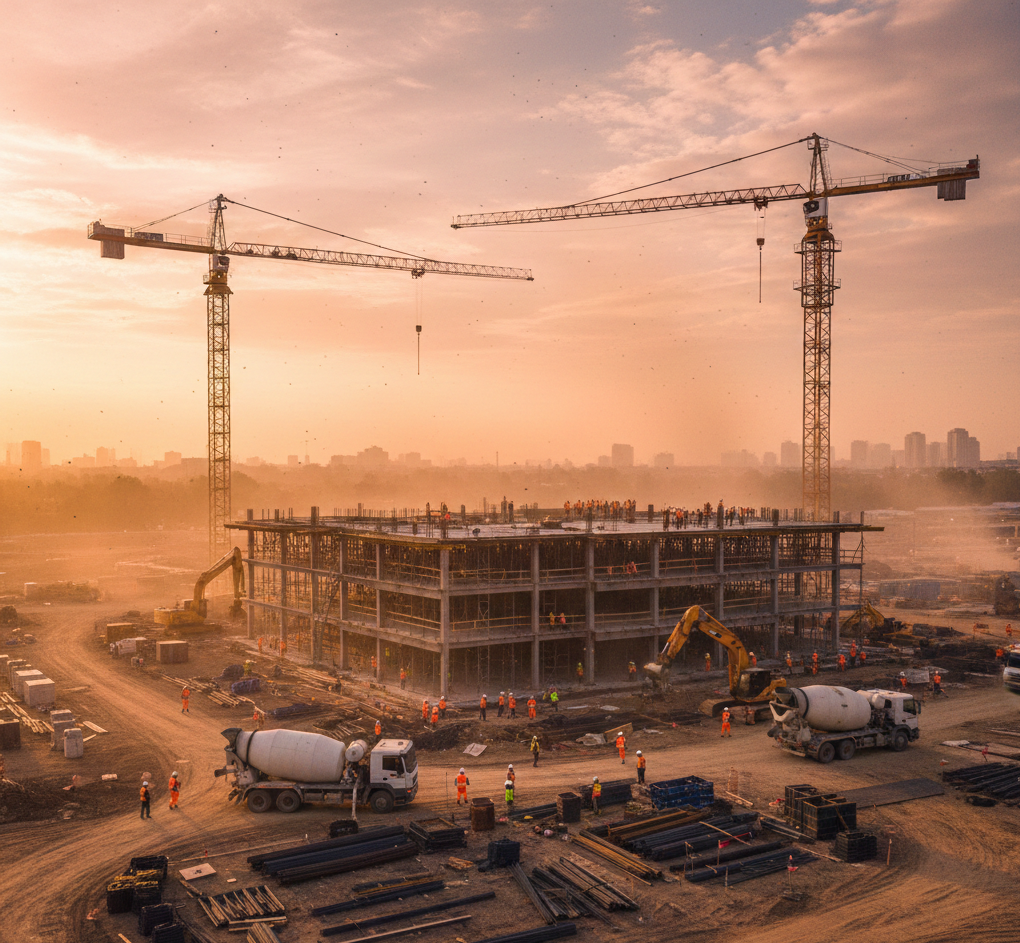
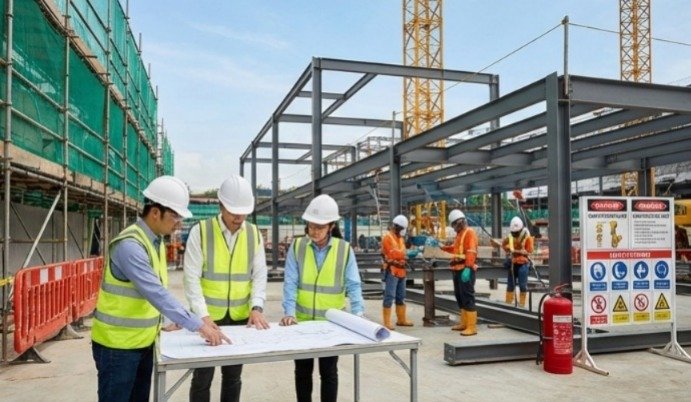
After the foundation, the main structure is constructed. This includes columns, beams, slabs, staircases, and roof casting. This stage forms the skeleton of the building. High-quality materials and proper curing are essential to ensure structural strength and durability.
7. Masonry Work
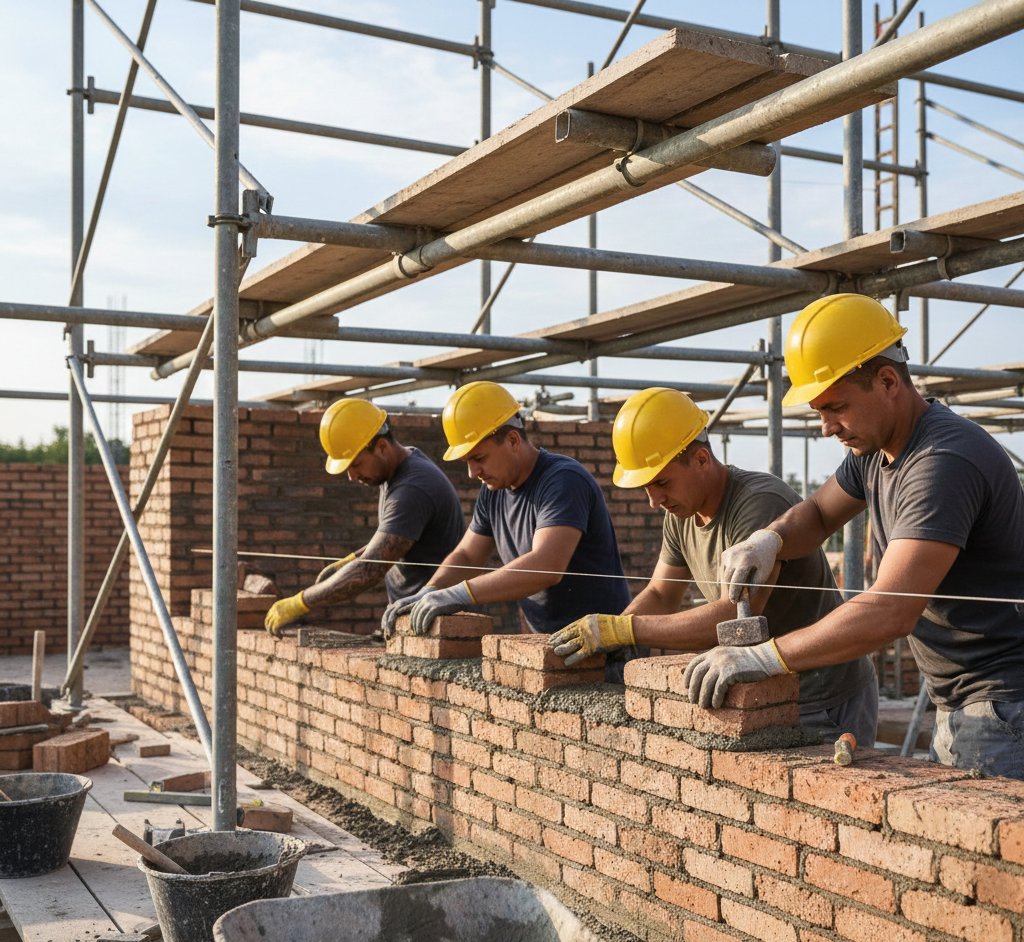
Brick or block masonry is used to build external and internal walls. Partition walls define rooms and spaces. Proper alignment, mortar quality, and curing are necessary to maintain wall strength and finishing quality.
8. Electrical and Plumbing Installation
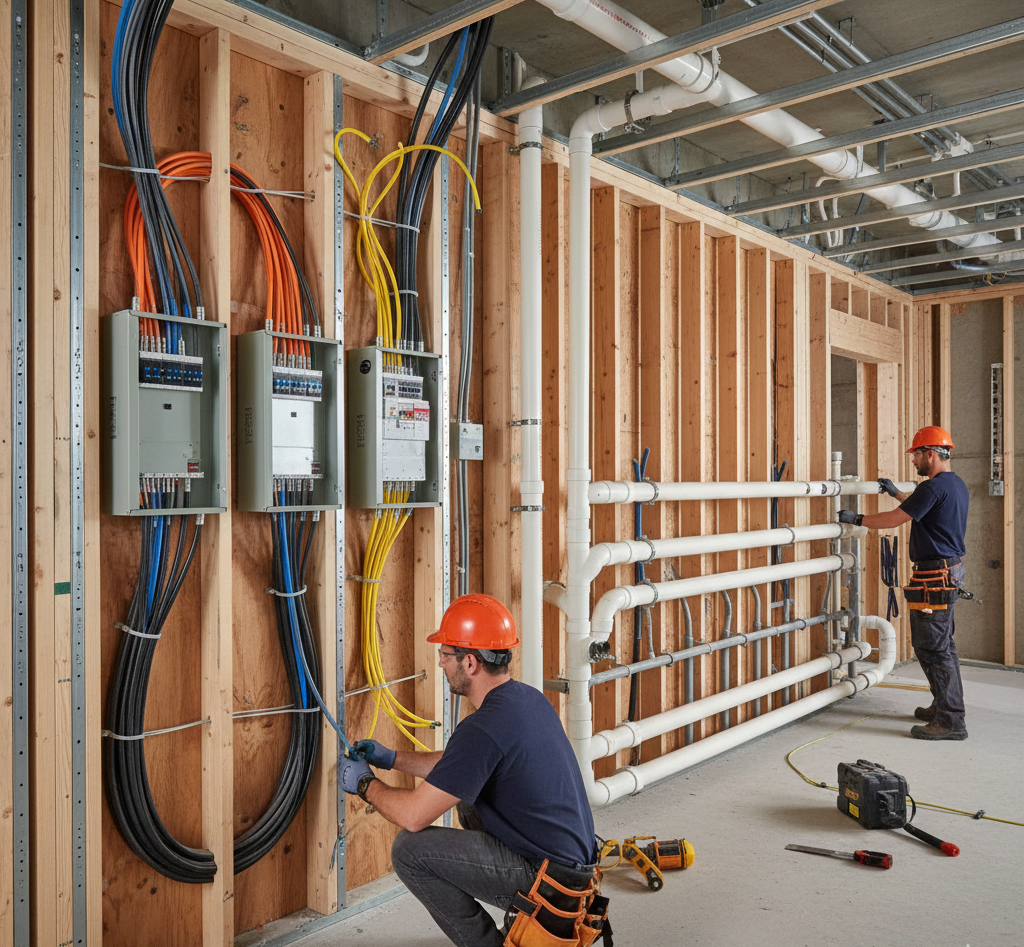
Electrical conduits, wiring, switchboards, plumbing pipes, drainage lines, and water supply systems are installed at this stage. Doing this work before plastering prevents wall damage and rework later. Proper planning ensures safety, efficiency, and easy maintenance.
9. Plastering and Waterproofing
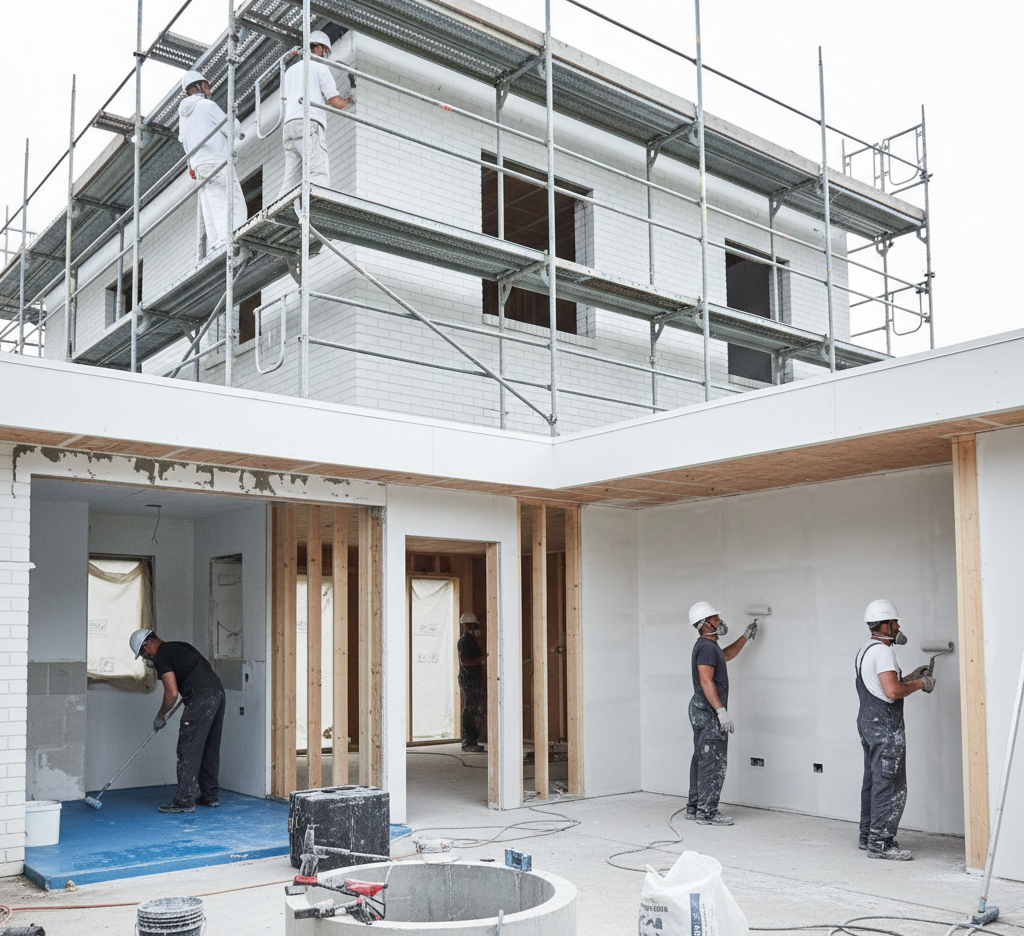
Internal and external plastering gives smooth surfaces to walls and ceilings. Waterproofing is applied to roofs, bathrooms, kitchens, and water tanks to prevent leakage and dampness. This step increases the building’s lifespan and reduces maintenance costs.
10. Finishing Works
Finishing gives the house its final beauty and functionality. This includes flooring, painting, doors and windows installation, kitchen cabinets, wardrobes, sanitary fittings, and lighting fixtures. Quality finishing improves comfort, aesthetics, and property value.
11. External Development
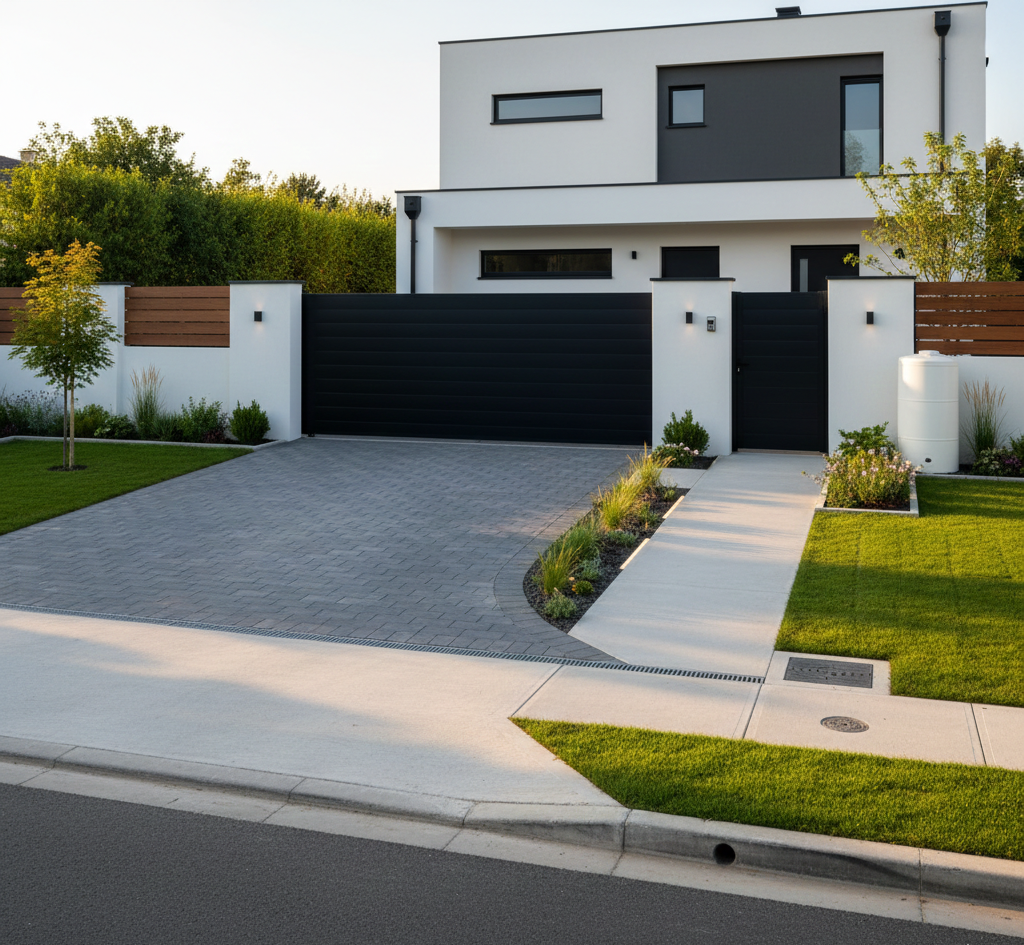
External works include boundary walls, gates, driveways, pathways, drainage systems, landscaping, gardens, and water tanks. These elements enhance security, accessibility, and overall appearance of the residential property.
Conclusion
esidential building construction is a systematic process that requires proper planning, professional design, legal approvals, and skilled execution. Each stage—from foundation to finishing—plays a critical role in ensuring the safety, durability, and comfort of the home. By following a structured approach and working with qualified professionals, you can successfully build a strong, beautiful, and long-lasting residential building that meets your family’s needs and future aspirations.